Dr. Gabriel Levin, gynecologic oncologist at the McGill University Health Centre, and Director of Oncology at CureLab Oncology Inc. will present new clinical findings at the 27th Congress of the European Society of Gynaecological Oncology (ESGO 2026) in Copenhagen, highlighting a promising therapeutic advance for women with platinum-resistant ovarian cancer (PROC). The oral presentation, titled Randomized Phase II Study of P62/Sqstm1-Encoding Plasmid (Elenagen) In Combination With Gemcitabine for Platinum-Resistant Ovarian Cancer (Abstract 274), details results from a randomized Phase II clinical trial evaluating the DNA-based therapy Elenagen (p62/SQSTM1-encoding plasmid) in combination with gemcitabine. Dr. Levin’s presentation is scheduled for Feb 27.
ESGO 2026 will convene more than 3,000 clinicians, researchers, and industry leaders from around the world to share late-breaking research, new guidelines, and innovations aimed at improving outcomes in gynecologic cancers.
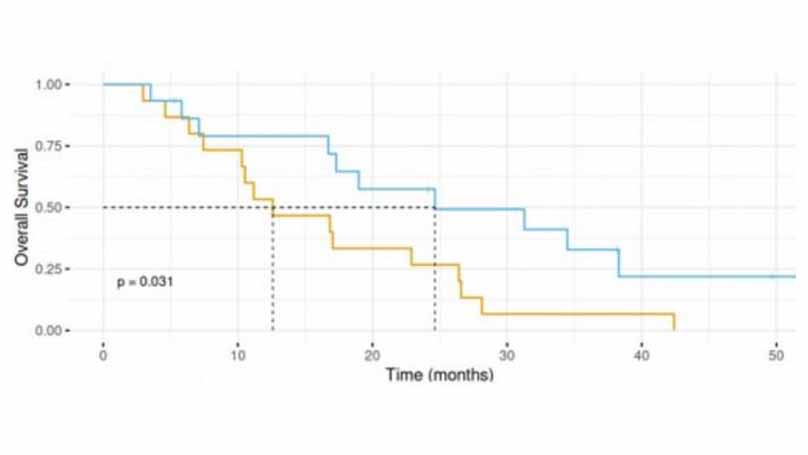
Dr. Levin’s oral presentation is centered around a recently published paper in the International Journal of Gynecological Cancer, evaluated Elenagen in women with platinum-resistant ovarian cancer and elevated CA-125 - among the highest-risk and poorest-prognosis patient populations. Elenagen, developed by CureLab Oncology, Inc., is a plasmid DNA therapy encoding the protein p62/SQSTM1 and was administered as a once-weekly intramuscular injection alongside standard gemcitabine chemotherapy.
Key Study Findings
- Significant Overall Survival Benefit: Patients receiving Elenagen plus chemotherapy lived significantly longer than those receiving chemotherapy alone.
- Median Overall Survival Doubled: Median overall survival increased from approximately 13 months to more than 25 months.
- Reduced Risk of Death: Treatment with Elenagen reduced mortality risk by nearly 60%.
- Favorable Safety Profile: No increase in treatment-related toxicity was observed.
- Long-Term Responders: Several patients survived years beyond expected survival for this disease setting.
According to Sergei Krasny, MD, Ph.D., Sc.D., co-author of the study. “ What makes these results remarkable is not only the magnitude of the survival benefit, but that it was achieved without added toxicity and without specific biomarker. This suggests a fundamentally different therapeutic approach - one that supports the body’s biology rather than simply intensifying chemotherapy.”
Insights from Unplanned Treatment Interruption
Longer exposure to Elenagen strongly correlated with longer survival following treatment discontinuation, particularly within the first 12 months. As a result, the overall survival benefit reported is considered a conservative, “lower-bound” estimate. Future U.S. and EU trials will provide Elenagen for up to 24 months, based on data suggesting extended treatment maximizes benefit.